If I Hold Crypto, Do I Pay Taxes? Holding Rules for the US and Canada
No, simply holding crypto is not taxed in the US or Canada. Learn when holding turns taxable: staking rewards, airdrops, swaps, spending and reporting rules.

80 articles
No, simply holding crypto is not taxed in the US or Canada. Learn when holding turns taxable: staking rewards, airdrops, swaps, spending and reporting rules.

If you sell crypto for a profit, you usually pay tax on the gain. Learn how selling at a loss, crypto-to-crypto trades and reporting work in the US and Canada.

Learn how to stake Ethereum four ways: solo, staking-as-a-service, pooled or liquid staking, and exchanges. Compare minimums, risks, and taxes.
A crypto wallet address is a public string you share to receive coins. Learn how to find yours, match the network, and avoid costly sending mistakes.
Need a crypto wallet for NFTs? Learn how NFT wallets work, which chains they support, hot vs cold options, and how to avoid scams and risky approvals.
Crypto staking taxes explained: when staking rewards count as income, how to value them, how IRS and CRA rules work, and what happens when you later sell.
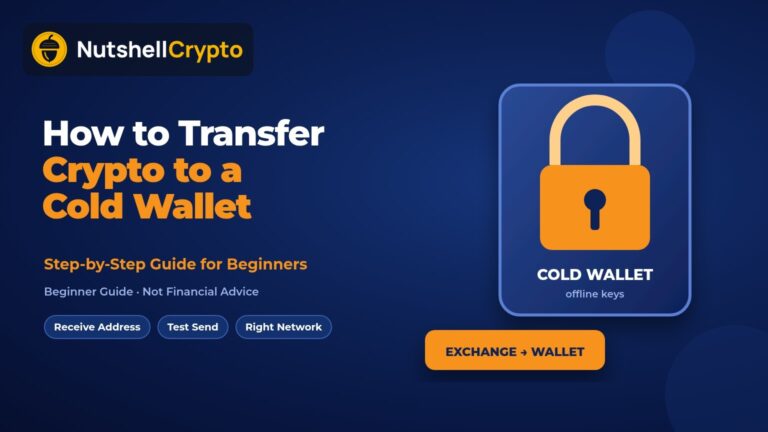
Learn how to transfer crypto from an exchange to a cold wallet safely: get your receive address, send a test amount, pick the right network and avoid mistakes.

A seed phrase is the 12 or 24 word backup that restores your crypto wallet. Learn how it works, how to store it safely and the mistakes that cost people coins.
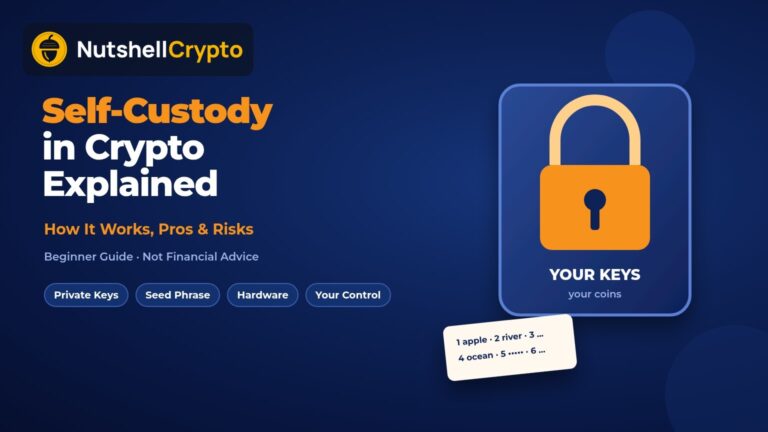
Self-custody means holding your own crypto keys instead of trusting an exchange. Learn how it works, setup options, pros, risks and how to start safely.
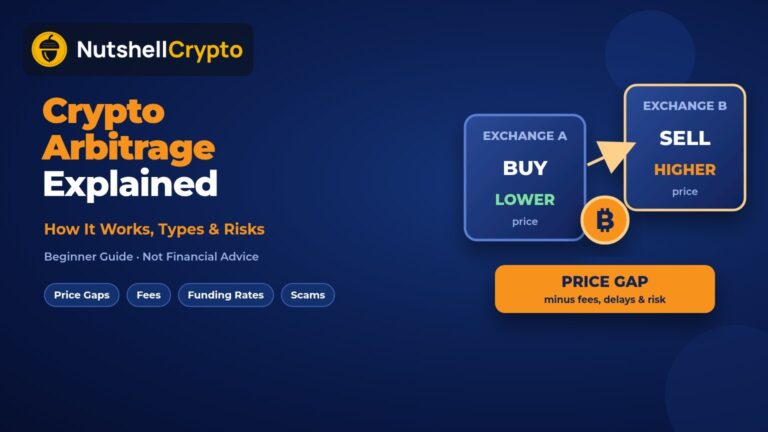
Crypto arbitrage explained: how traders profit from price gaps between exchanges, the main types, a worked example, the real risks, scams and taxes.
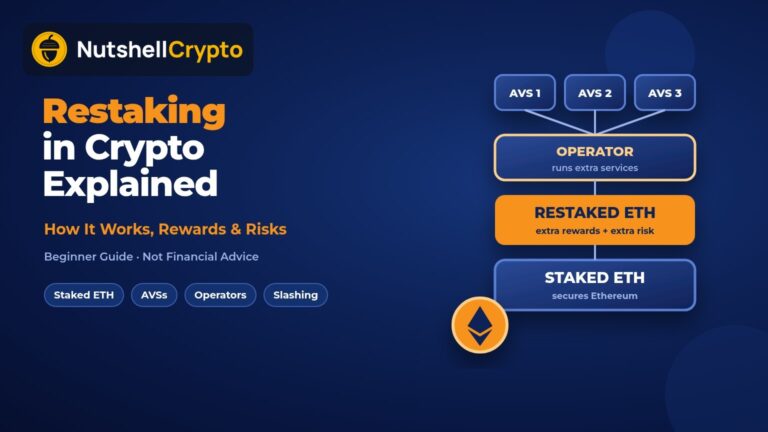
Restaking explained: how it reuses staked ETH to secure extra services, native vs liquid restaking, where the rewards come from, and the slashing risks.
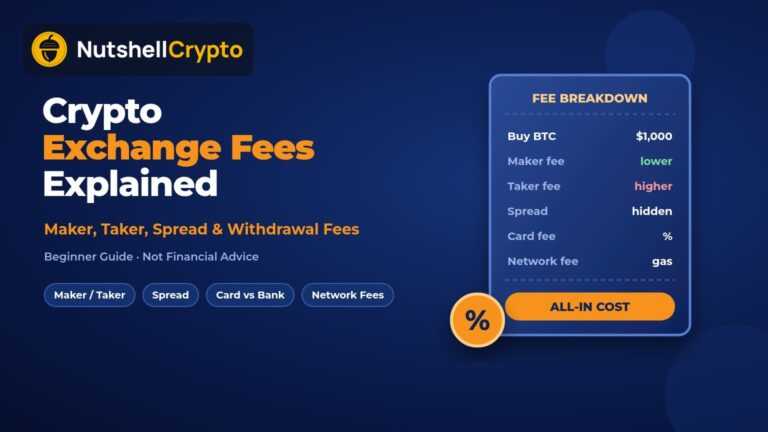
Crypto exchange fees explained: maker and taker fees, spreads, card vs bank funding, and withdrawal and network fees, with US and Canada examples to compare.
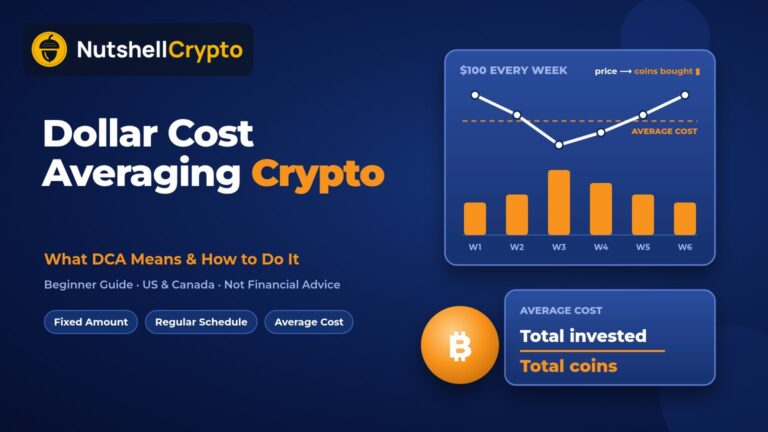
Dollar cost averaging crypto explained: what DCA means, how to calculate your average cost, DCA vs lump sum, recurring buys in the US and Canada, and taxes.