Non-Custodial ERC-20 Wallet: Hold Ethereum Tokens Yourself
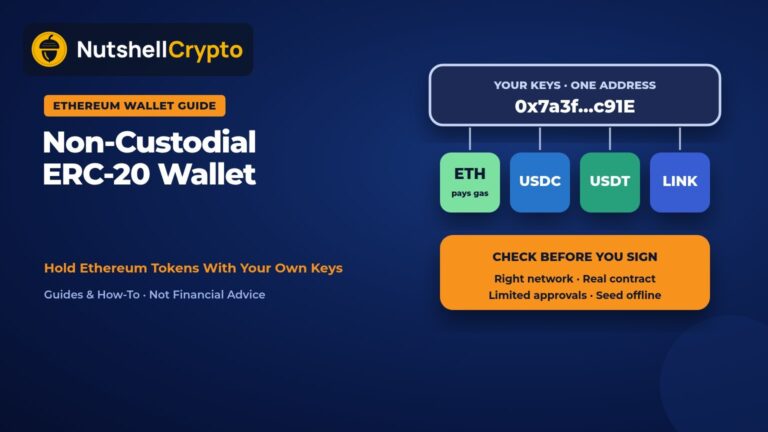
A non-custodial ERC-20 wallet lets you hold USDC, USDT and other Ethereum tokens with your own keys. How it works, gas, approvals, wrong networks and scams.

18 articles
A non-custodial ERC-20 wallet lets you hold USDC, USDT and other Ethereum tokens with your own keys. How it works, gas, approvals, wrong networks and scams.
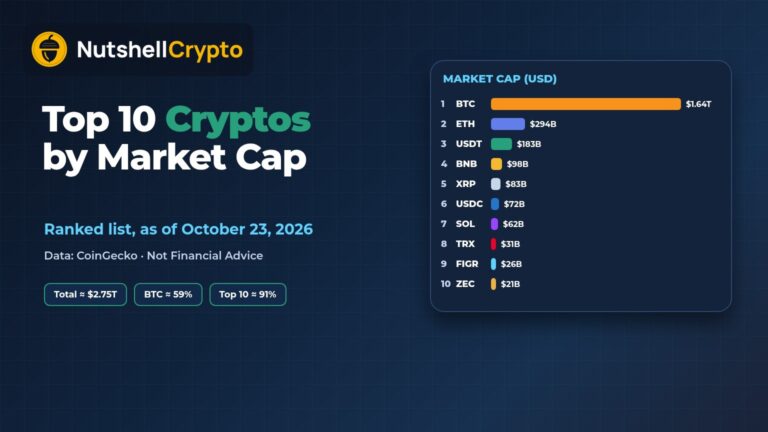
The top 10 cryptocurrencies by market cap, ranked with CoinGecko data: market cap, price and what each coin does, from Bitcoin and Ethereum to Zcash.
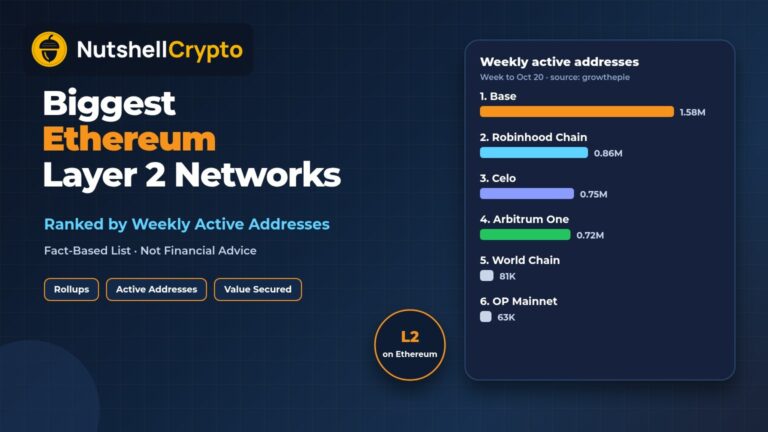
Ethereum layer 2 networks ranked by weekly active addresses from growthepie, with L2BEAT value secured and stage, plus how rollups work and the risks.
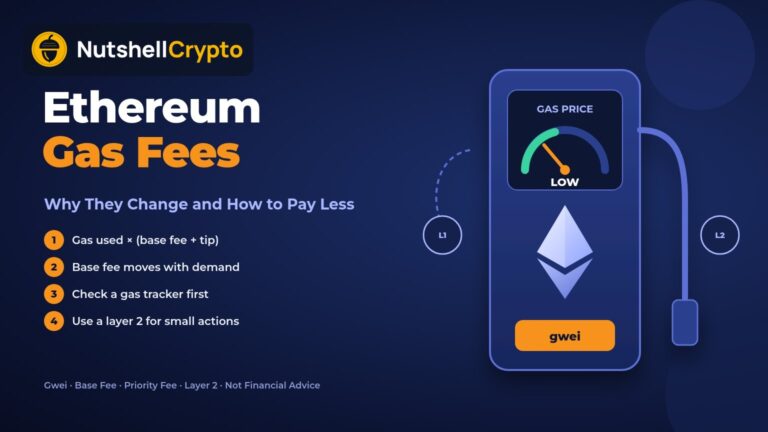
Ethereum gas fees explained: how gas, gwei, base fee and tips work, what common actions cost today, why fees change, and how to pay less with layer 2s.
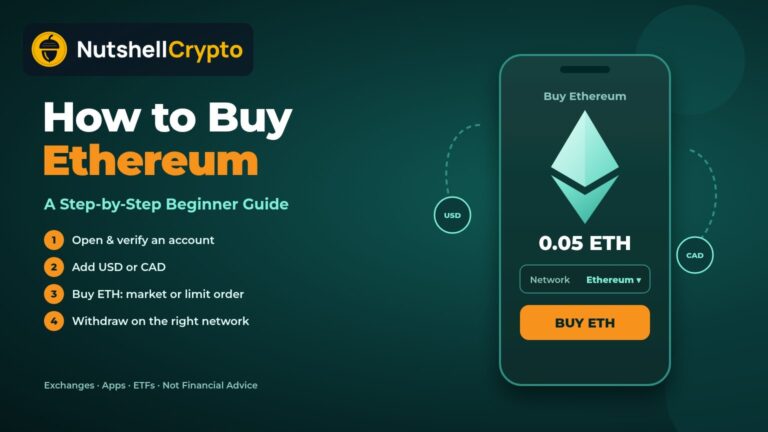
How to buy Ethereum step by step: exchanges, apps and ETFs, market vs limit orders, picking the right network to withdraw, fees, scams and US/Canada tips.
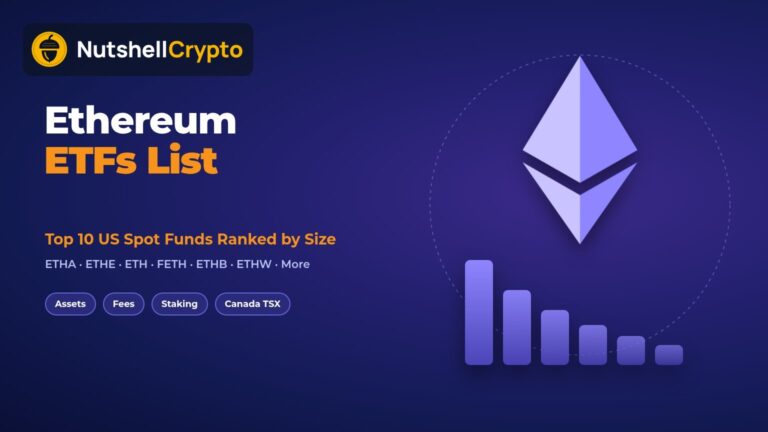
Ethereum ETF list: the 10 largest US spot ETH funds ranked by assets. ETHA leads with about $8.4B as of Oct 14, 2026. Fees, staking and Canada funds.
Ethereum ETFs explained: how spot ETH funds work, the main US funds and fees, staking ETFs like ETHB, risks, taxes, and how to buy one in the US or Canada.
Learn how to stake Ethereum four ways: solo, staking-as-a-service, pooled or liquid staking, and exchanges. Compare minimums, risks, and taxes.
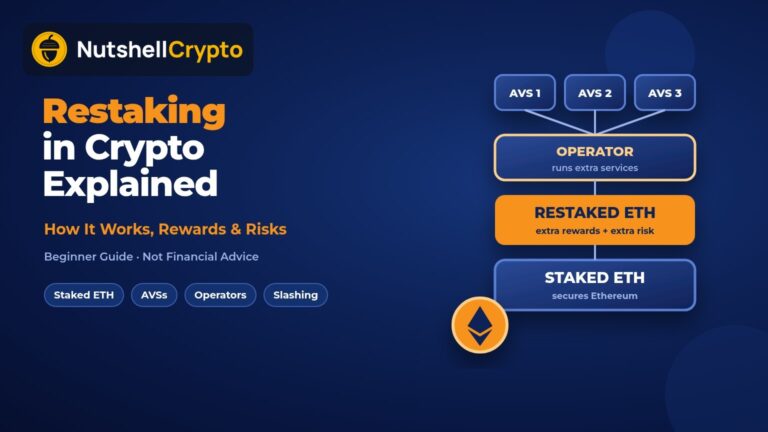
Restaking explained: how it reuses staked ETH to secure extra services, native vs liquid restaking, where the rewards come from, and the slashing risks.
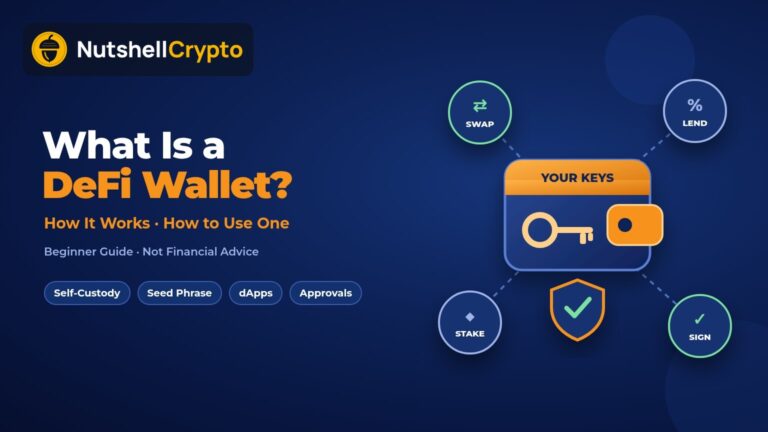
A DeFi wallet is a self-custody crypto wallet you control and use with dApps. Learn how it works, how to set one up step by step, and how to stay safe.

Liquid staking lets you stake ETH or SOL and get a tradable token like stETH, rETH or mSOL. Learn how it works, DeFi uses, key risks and US tax basics.

A multisig wallet needs more than one key, such as 2-of-3, to move crypto. Learn how multisig works, its use cases, pros and cons, and how to set one up.
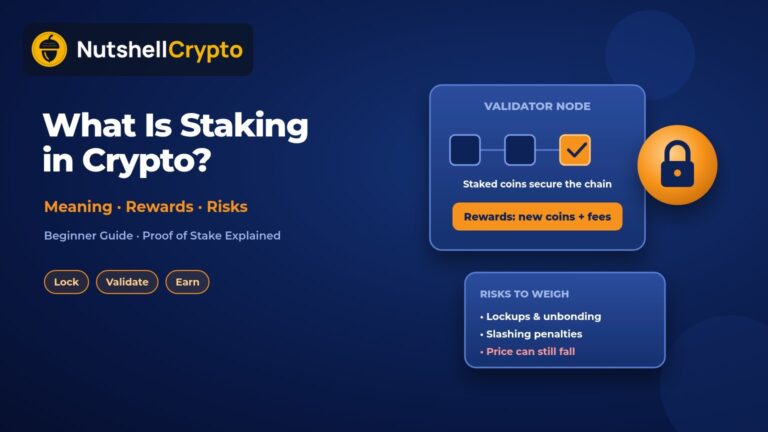
Staking in crypto means locking coins to help secure a proof-of-stake blockchain for rewards. How it works, why yields vary, key risks, and US and Canada tax.