Sui Staking: How to Stake SUI, APY and Risks
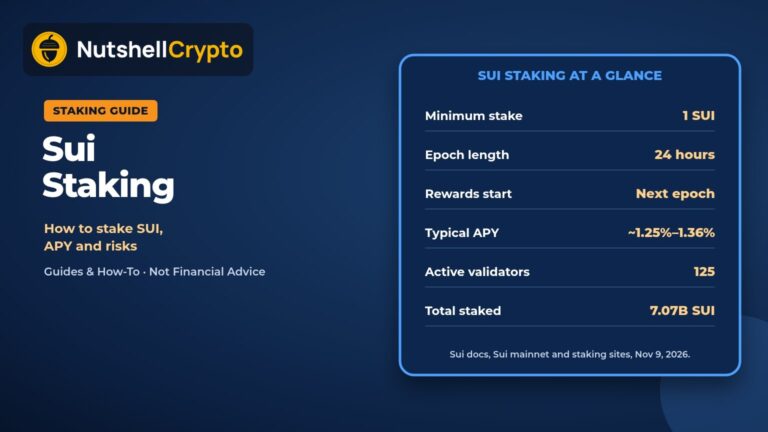
Sui staking explained: stake SUI from 1 SUI with a validator in Slush or Ledger, 24-hour epochs, about 1.3% APY, liquid staking, risks and US, CA, AU tax notes.

9 articles
Sui staking explained: stake SUI from 1 SUI with a validator in Slush or Ledger, 24-hour epochs, about 1.3% APY, liquid staking, risks and US, CA, AU tax notes.
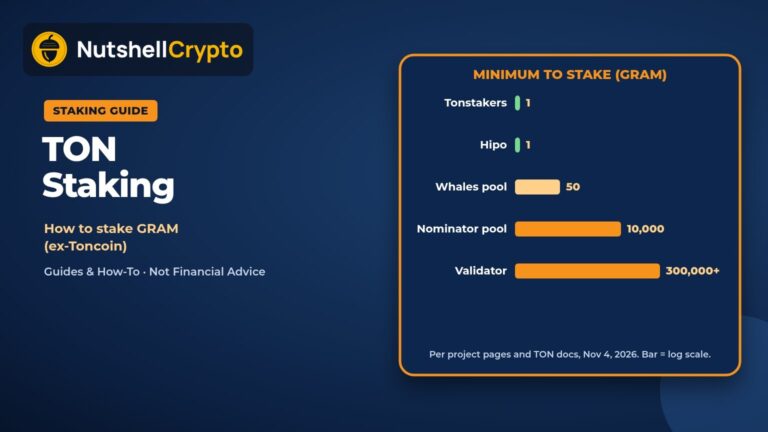
TON staking explained: stake GRAM (ex-Toncoin) with Tonstakers, Hipo or pools, minimums, 18-hour cycles, APY, risks, plus US, Canada and Australia tax notes.
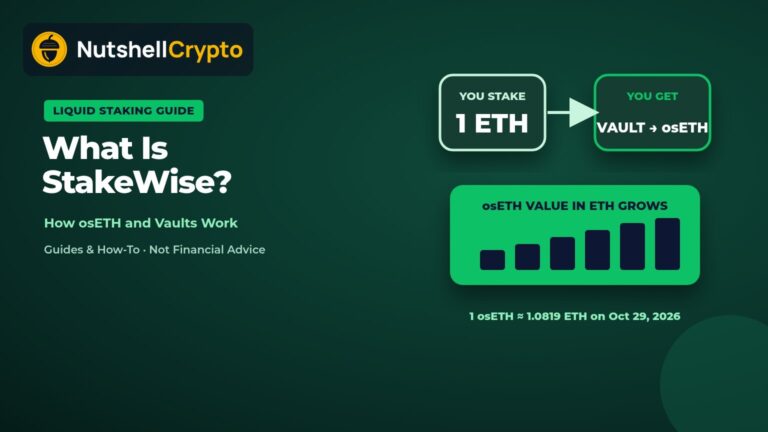
StakeWise explained: how its Vaults and osETH liquid staking token work, fees, Boost, unstaking, the retired sETH2/rETH2 tokens, and the main risks.
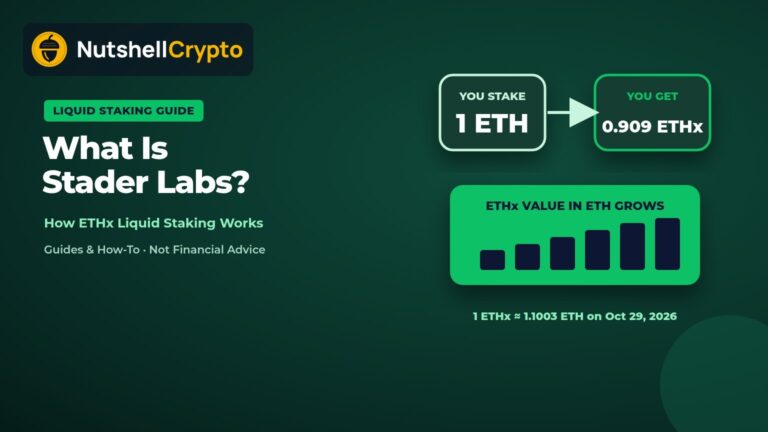
Stader Labs explained: how ETHx liquid staking works, which Stader tokens are still live vs sunset (BNBx, MaticX, NearX), fees, unstaking time and risks.
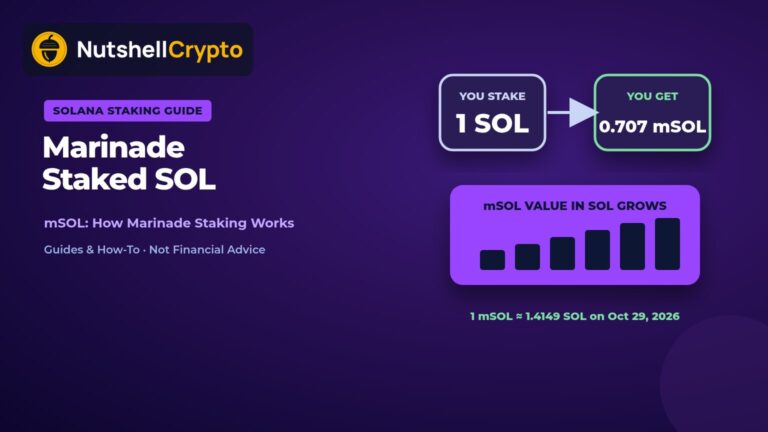
Marinade staked SOL (mSOL) explained: how the mSOL/SOL rate grows, instant vs delayed unstake, fees, mSOL vs JitoSOL vs native staking, and the risks.
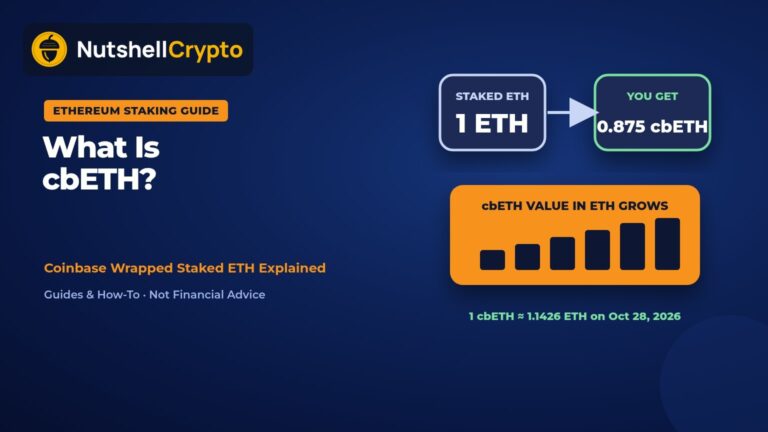
cbETH is Coinbase’s liquid staking token for ETH. How the conversion rate works, how to wrap and unwrap, fees, cbETH vs stETH and rETH, and the real risks.
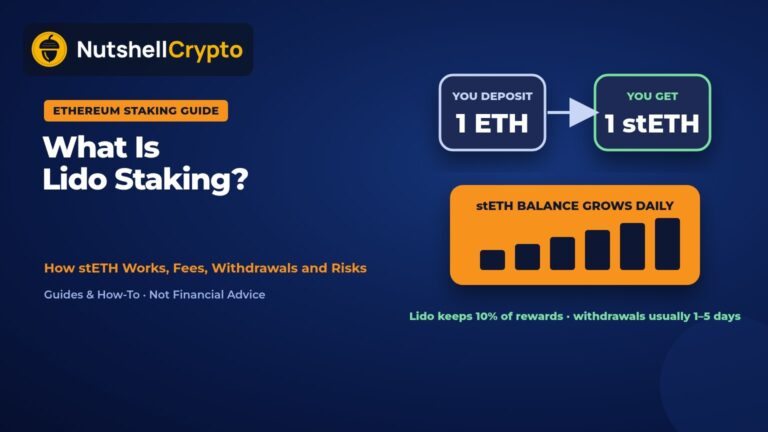
Lido staking turns ETH into stETH, a token whose balance grows daily with staking rewards. How it works, the 10% fee, wstETH, withdrawals and the real risks.
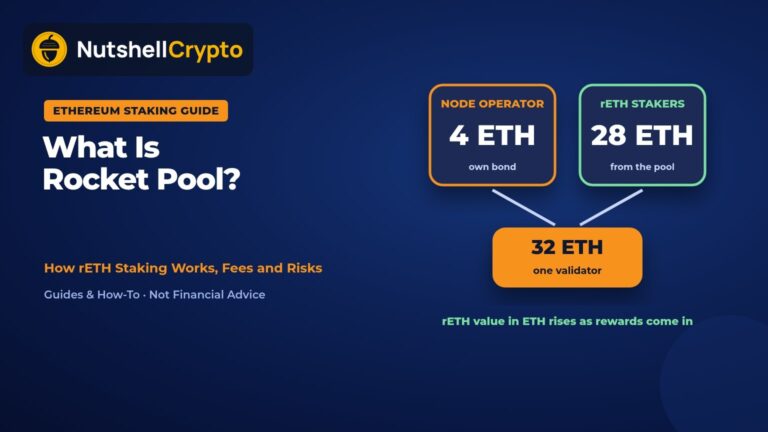
Rocket Pool lets you stake ETH from 0.01 ETH and get rETH, which grows in value as rewards come in. How it works, fees, unstaking, Saturn One and the risks.

Liquid staking lets you stake ETH or SOL and get a tradable token like stETH, rETH or mSOL. Learn how it works, DeFi uses, key risks and US tax basics.