If I Transfer Crypto, Do I Pay Taxes? Wallet Transfer Rules
If I transfer crypto, do I pay taxes? Moving coins between your own wallets is usually not taxable. Learn when transfers, gifts and fees can trigger tax.

Step-by-step crypto tutorials, from wallets to exchanges, made easy.
107 articles
If I transfer crypto, do I pay taxes? Moving coins between your own wallets is usually not taxable. Learn when transfers, gifts and fees can trigger tax.
A crypto wallet for business holds company funds with shared control and records. Compare wallet types, key features, security steps and US/Canada rules.
Self-custody means holding your own crypto keys instead of trusting an exchange. Learn how it works, setup options, pros, risks and how to start safely.
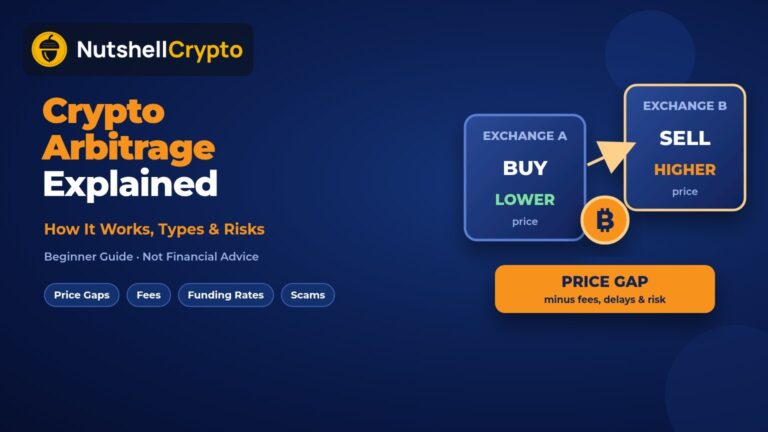
Crypto arbitrage explained: how traders profit from price gaps between exchanges, the main types, a worked example, the real risks, scams and taxes.
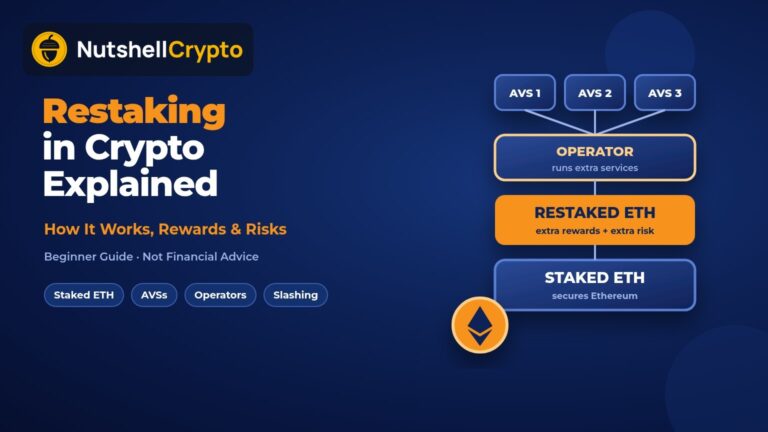
Restaking explained: how it reuses staked ETH to secure extra services, native vs liquid restaking, where the rewards come from, and the slashing risks.
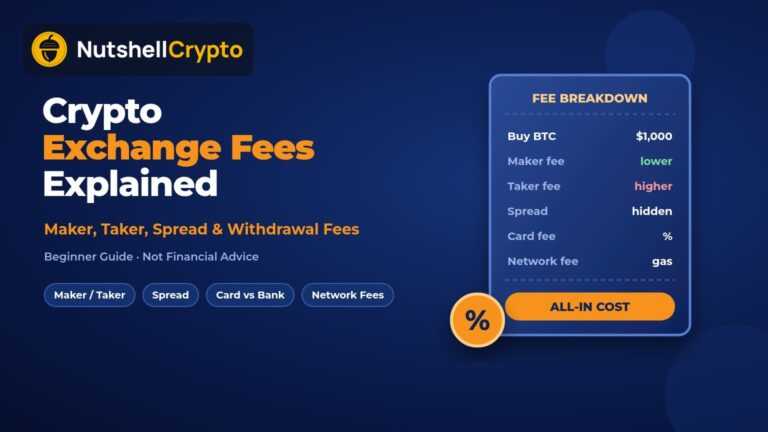
Crypto exchange fees explained: maker and taker fees, spreads, card vs bank funding, and withdrawal and network fees, with US and Canada examples to compare.
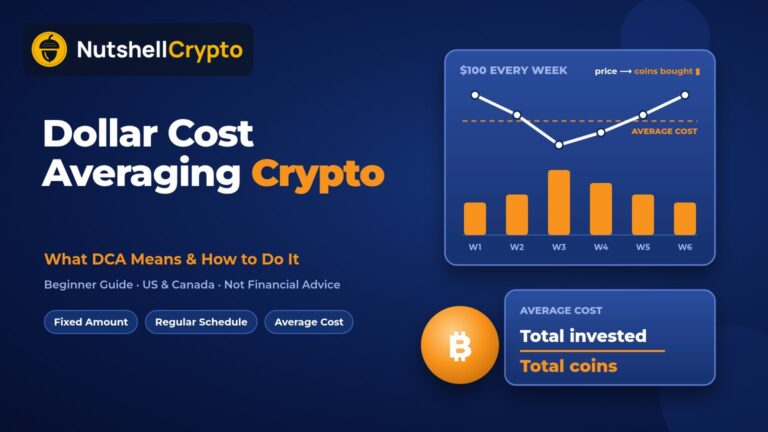
Dollar cost averaging crypto explained: what DCA means, how to calculate your average cost, DCA vs lump sum, recurring buys in the US and Canada, and taxes.
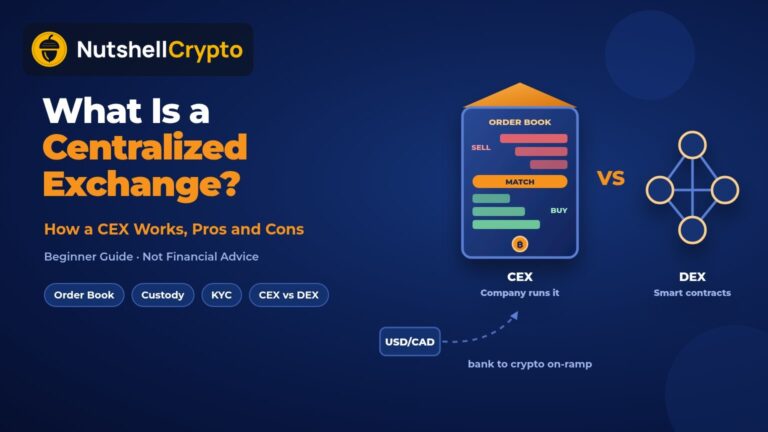
A centralized exchange (CEX) is a company-run crypto platform that matches orders and holds your coins. Learn how it works, CEX vs DEX, and the key risks.
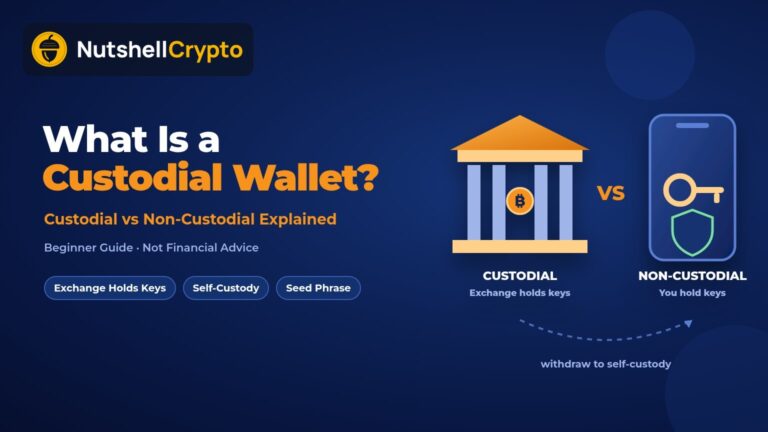
A custodial wallet is a crypto account where an exchange holds your private keys. Learn how it works, custodial vs non-custodial wallets, and the key risks.
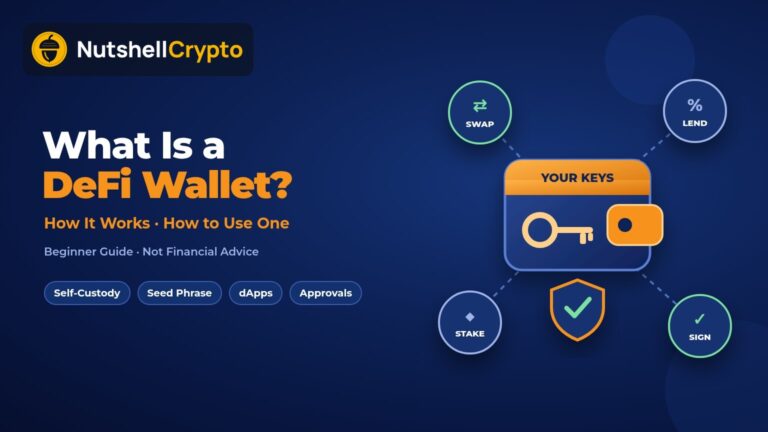
A DeFi wallet is a self-custody crypto wallet you control and use with dApps. Learn how it works, how to set one up step by step, and how to stay safe.
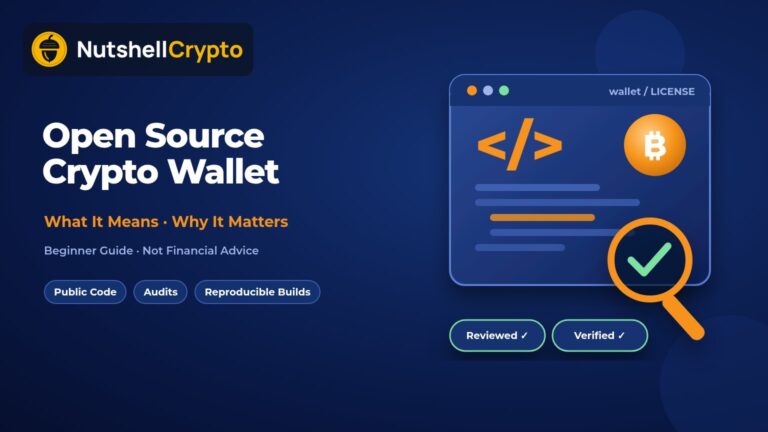
An open source crypto wallet publishes its code so anyone can review it. Learn what that means, how it differs from closed source, and how to verify one.

Liquid staking lets you stake ETH or SOL and get a tradable token like stETH, rETH or mSOL. Learn how it works, DeFi uses, key risks and US tax basics.

A multisig wallet needs more than one key, such as 2-of-3, to move crypto. Learn how multisig works, its use cases, pros and cons, and how to set one up.