In a nutshell: A centralized exchange (CEX) is a crypto trading platform run by one company, such as Coinbase, Kraken or Gemini, that matches buyers and sellers and usually holds your coins for you. It is the easiest way to swap dollars for crypto, but you are trusting that company with your money. Educational only; not financial advice.
Last updated: October 7, 2026.
If you have bought crypto with a bank transfer or debit card, you have almost certainly used a centralized exchange. Below: how a CEX works, how it compares with a DEX, what went wrong at FTX, and how to use one more safely. New to crypto? Start with our how to buy bitcoin guide.
Table of contents
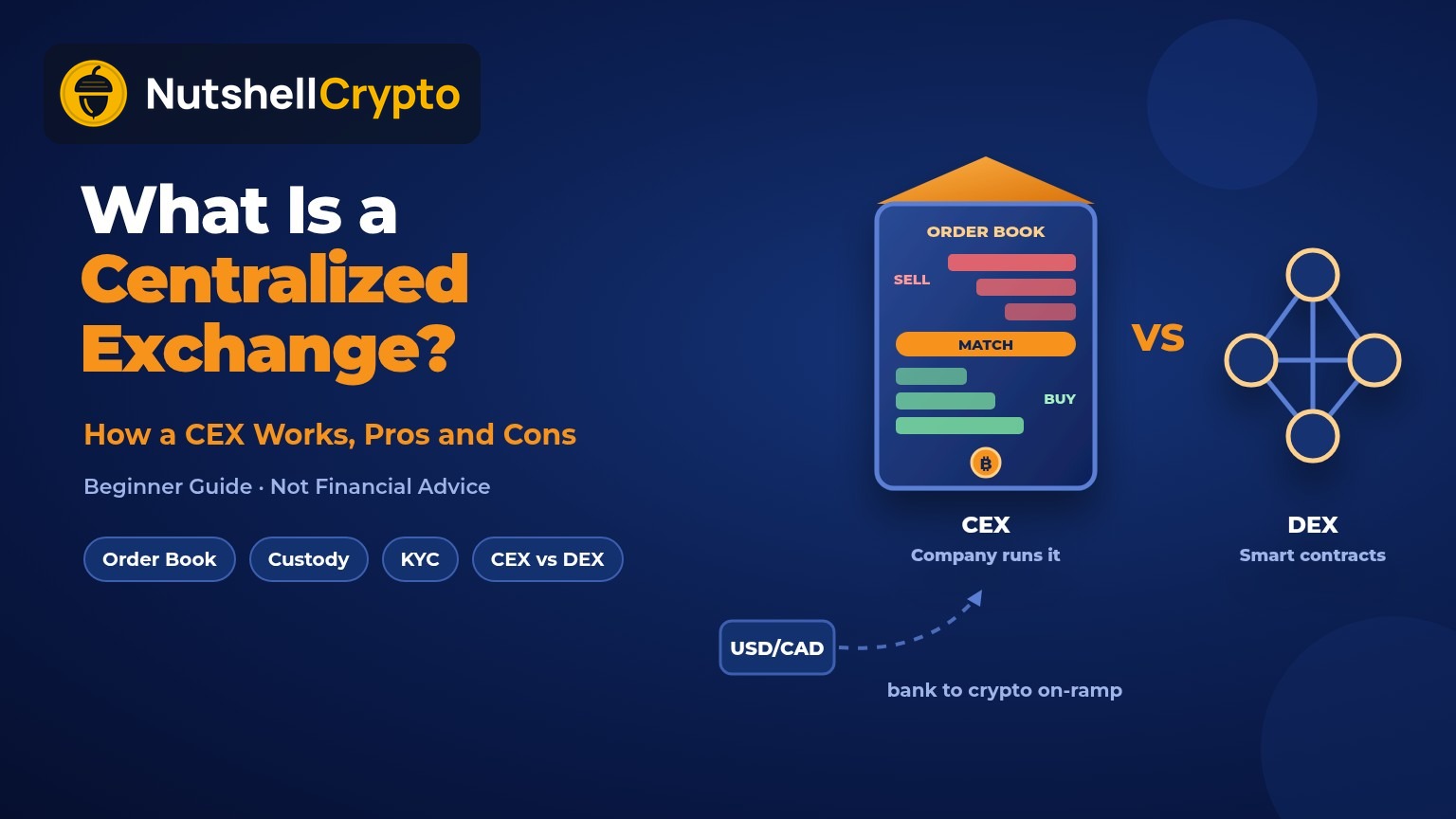
What Is a Centralized Exchange?
A centralized exchange is a business that lets you buy, sell and trade crypto through its own platform. Investopedia describes centralized cryptocurrency exchanges as intermediaries that let users trade both traditional (fiat) currencies and digital assets, and notes that, unlike decentralized exchanges, they are operated by a single entity and are often subject to regulatory oversight.
The “centralized” part is about control. One company owns the platform, sets the rules, lists the coins, matches orders, collects customer ID and usually holds customer assets. You may also see it spelled “centralised exchange” or called a “CEX exchange.” Same thing.
How a Centralized Exchange Works
1. You open an account and verify your identity (KYC)
Most regulated exchanges require “know your customer” (KYC) checks. Coinbase, for example, says that for legal, compliance, and fraud-prevention purposes it requires identity verification at account creation, and that accounts have limited functionality until verification is complete.
2. You fund the account through a fiat on-ramp
A fiat on-ramp is simply the bridge from regular money to crypto. On a CEX you link a bank account or card, deposit U.S. or Canadian dollars, and trade them for crypto. Investopedia notes that centralized exchanges often offer both fiat-to-crypto pairs (like BTC/USD) and crypto-to-crypto pairs (like BTC/ETH).
3. The exchange matches orders in an order book
Coinbase’s explainer on DEXs says centralized exchanges handle transactions through an “order book” that sets the price based on current buy and sell orders, the same method used by stock exchanges like Nasdaq. An order book is an electronic list of buy orders (bids) and sell orders (asks) organized by price, with the highest bid and lowest ask at the top. Coinbase adds that CEXs usually support limit orders and, on some platforms, margin trading.
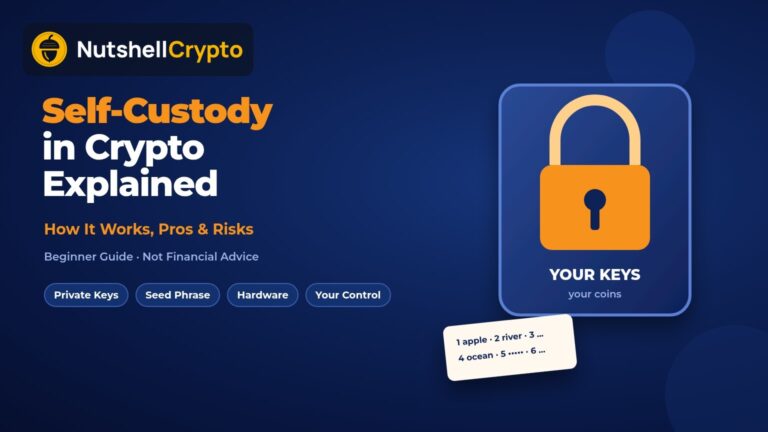
4. The exchange holds your crypto (custody)
On a typical CEX, your coins sit in the exchange’s wallets and your balance is a number on its books. Coinbase’s explainer notes that trades on a centralized exchange are recorded in the exchange’s internal database, while DEX trades settle directly on the blockchain. This makes a CEX account a custodial wallet: the company controls the private keys. The SEC’s investor bulletin on crypto custody lists crypto exchanges among third-party custodians and says they may keep keys in cold wallets, hot wallets or both. (See our hot wallet vs cold wallet guide.) You can usually withdraw to your own wallet, at which point you hold the keys.
Centralized Exchange Examples in the US and Canada
Investopedia names Coinbase, Robinhood, Kraken, Gemini and Binance among exchanges that have built large user bases, and confirms that Coinbase is a centralized exchange and a publicly traded U.S. company. Three that U.S. beginners often meet:
- Coinbase, listed on the stock market and requiring ID at sign-up.
- Kraken publishes regular Proof of Reserves reviews., in which it says an independent accountant checks that in-scope client balances are backed by real assets.
- Gemini says on its Trust Center that it holds customer funds 1:1 and that Gemini Trust Company, LLC is licensed by the New York State Department of Financial Services (NYDFS).
In Canada, check the Canadian Securities Administrators’ list of crypto platforms authorized to do business with Canadians before you sign up. As of its September 18, 2026 update, the list included Coinbase Canada Inc., Payward Canada Inc. (Kraken), Wealthsimple Investments Inc., Newton Crypto Ltd., Shakepay Inc., Ndax Canada Inc., Coinsquare Capital Markets Limited and Foris DAX CAN ULC (Crypto.com), among others. The list changes, and a listing is not a recommendation.
CEX vs DEX: What’s the Difference?
A decentralized exchange (DEX) does the same basic job, swapping one token for another, without a company in the middle. Coinbase describes a DEX as a peer-to-peer marketplace built from smart contracts that uses “liquidity pools” instead of an order book, with popular examples like Uniswap. You connect your own wallet, such as a DeFi wallet, and trade directly from it. DEXs are a core piece of decentralized finance (DeFi).
| Centralized exchange (CEX) | Decentralized exchange (DEX) | |
|---|---|---|
| Who runs it | One company | Smart contracts on a blockchain |
| Who holds your crypto | The exchange (custodial) | You, in your own wallet |
| Dollars in and out | Yes, bank and card on-ramps | Mostly crypto-to-crypto only |
| Identity checks | KYC usually required | Usually none to connect a wallet |
| How prices are set | Order book | Liquidity pools and algorithms |
| Where trades are recorded | Exchange’s internal database | Directly on the blockchain |
| Help if something goes wrong | Customer support, password reset | Little to none |
| Main risk | Company hack, freeze or failure | Your own mistakes, scam tokens, smart contract bugs |
Coinbase notes that most popular DEXs need no personal information, but that it is possible to make an unfixable error, like sending coins to the wrong wallet, and that unvetted tokens bring more scams, including “rug pulls.” Investopedia adds that some DEXs now offer fiat on-ramps through third parties.
Pros of a Centralized Exchange
- Easy for beginners. Familiar app, email login, customer support.
- Direct fiat on-ramp. Deposit USD or CAD from your bank and cash out the same way.
- Order types. Limit orders and a busy order book.
- Account recovery. A forgotten password can usually be reset.
- Regulation. Many CEXs are licensed or registered, like Gemini in New York or CSA-authorized platforms in Canada.
Cons and Risks of Centralized Exchanges
Custody risk: the company can fail
“Not your keys, not your coins” exists for a reason. The SEC bulletin warns that if a third-party custodian is hacked, shuts down or goes bankrupt, you may lose access to your crypto. It also flags that some custodians lend out deposited crypto (“rehypothecation”) or commingle customer assets.
The FTX collapse
FTX was one of the biggest centralized exchanges until it filed for U.S. bankruptcy in November 2022, Reuters reported. On December 13, 2022, the CFTC charged founder Sam Bankman-Fried, FTX Trading and Alameda Research with fraud. The CFTC alleged that FTX told customers their assets were held in custody and kept separate from its own, when in fact customer assets were routinely held by Alameda and commingled with Alameda’s funds, and that the defendants’ actions caused the loss of over $8 billion in customer deposits.
Hacks
Exchanges hold huge pools of crypto, which makes them targets. The FBI attributed the theft of about $1.5 billion in virtual assets from the exchange Bybit, on or about February 21, 2025, to North Korea. Closer to home on this site, we covered Bitget’s withdrawal restart after a hack.
Withdrawal freezes
A platform can pause withdrawals when it is under stress. In June 2022, crypto lender Celsius Network froze withdrawals and transfers, citing “extreme” market conditions, Reuters reported. Celsius was a lender, not an exchange, but the lesson applies to any custodial account: the company decides when you can move your coins.
No FDIC insurance
The FDIC says deposit insurance does not apply to crypto assets and does not protect against the default, insolvency or bankruptcy of non-bank entities, including crypto exchanges and custodians.
Privacy and fees
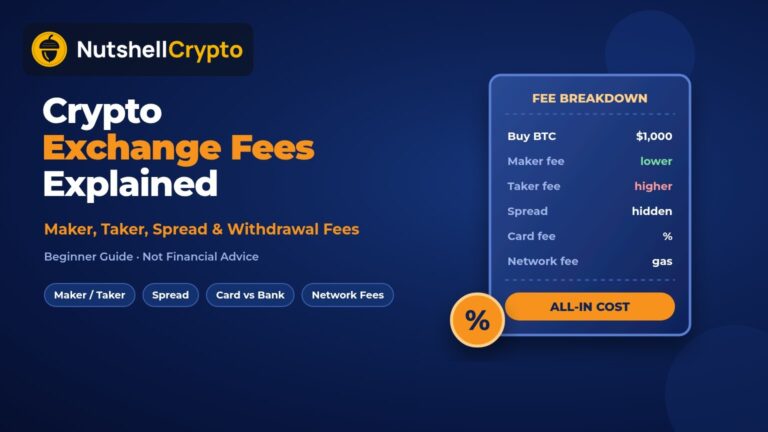
KYC means the exchange stores your personal data, and trading, spread and withdrawal fees vary by platform. Trades can also be taxable; see our guides to US crypto capital gains tax and cryptocurrency tax in Canada.
How to Choose a Centralized Exchange and Stay Safe
Investopedia suggests weighing security, fees, available coins, regulatory compliance, support and asset protections. A practical checklist:
- Check its regulatory status. In Canada, use the CSA list. In the US, check the exchange’s licensing page and search for complaints.
- Read how it holds your assets. 1:1 and separate from its own? Proof of reserves? Lent out? The SEC suggests asking.
- Compare all-in costs, including spreads and withdrawal fees.
- Lock down your account with a unique password and app-based two-factor authentication, and only upload ID on the exchange’s real domain.
- Ignore “guaranteed” returns. The FTC warns that only scammers guarantee profits or demand payment in crypto.
- Don’t leave more than you need on the exchange. For long-term holdings, consider self-custody, cold storage or a multisig wallet. Send a small test amount first.
Want crypto exposure without any exchange account? A spot Bitcoin ETF lets you buy shares in a regular brokerage account instead.
FAQ
What does CEX mean in crypto?
CEX stands for centralized exchange: a crypto trading platform run by a single company that matches orders and usually holds customer funds.
Is Coinbase a centralized exchange?
Yes. Investopedia confirms Coinbase is a centralized exchange and a publicly traded company that operates under U.S. regulatory requirements.
Is a CEX safer than a DEX?
Neither is automatically safer. A CEX adds company risk (hacks, freezes, bankruptcy); a DEX leaves all the security, and the mistakes, to you.
Is crypto on an exchange insured?
Not by the FDIC. Some platforms describe their own insurance or reserve policies, so read their terms carefully.
Sources
- Investopedia: Centralized Cryptocurrency Exchanges
- Investopedia: What Is an Order Book?
- Coinbase Learn: What is a DEX?
- Coinbase Help: Verify your identity on Coinbase
- Kraken: Proof of Reserves
- Gemini: Trust Center
- CSA: Crypto platforms authorized to do business with Canadians
- SEC / Investor.gov: Crypto Asset Custody Basics
- CFTC: Charges against Sam Bankman-Fried, FTX and Alameda
- Reuters: Crypto exchange FTX files for bankruptcy as CEO exits
- FBI IC3: North Korea Responsible for $1.5 Billion Bybit Hack
- Reuters: Celsius Network freezes withdrawals
- FDIC: Deposit Insurance and Crypto Companies fact sheet
- FTC: What to know about cryptocurrency and scams
Educational content only. This is not financial or investment advice. Crypto is volatile and you can lose money. Do your own research before you act.