What Is Guarda Wallet? How the Multi-Chain Wallet Works
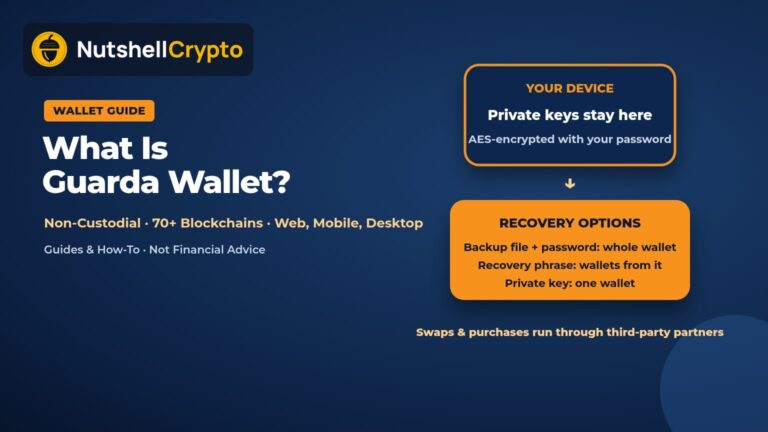
Guarda wallet explained: how the non-custodial multi-chain wallet works, its backup file and password, fees, staking, the 2020 incident, risks and taxes.

Beginner-friendly guides that explain crypto concepts in a nutshell.
110 articles
Guarda wallet explained: how the non-custodial multi-chain wallet works, its backup file and password, fees, staking, the 2020 incident, risks and taxes.
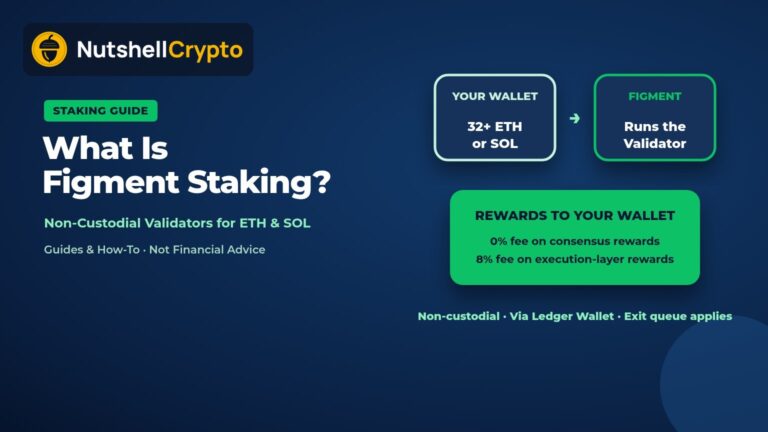
Figment staking explained: how its non-custodial validators work, staking 32 ETH in Ledger Wallet, the 8% execution-layer fee, unstaking, risks and taxes.
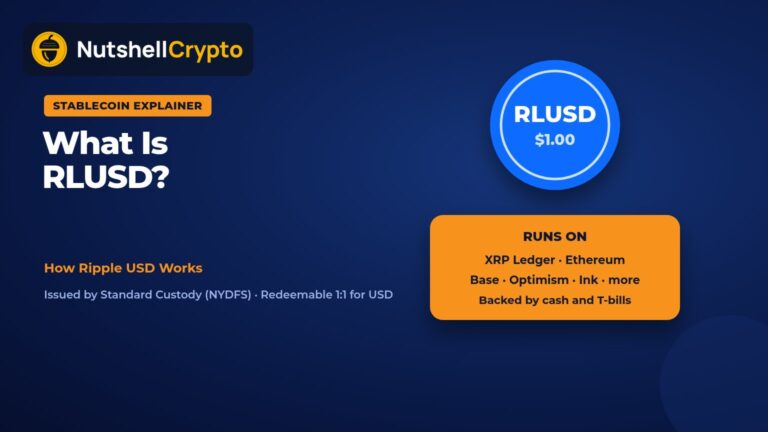
What is RLUSD? Ripple USD explained: Standard Custody issuer and NYDFS oversight, reserves and attestations, supported chains, how to buy or redeem, and risks.
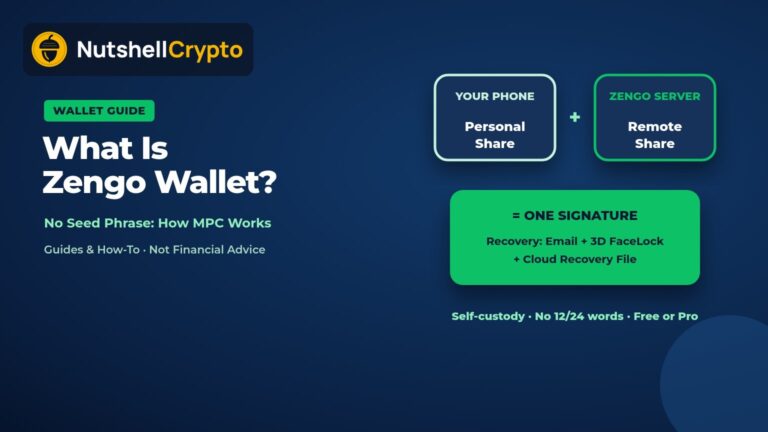
Zengo wallet explained: how its MPC keyless setup works with no seed phrase, 3-factor recovery, Zengo Pro features and price, fees, risks and tax notes.
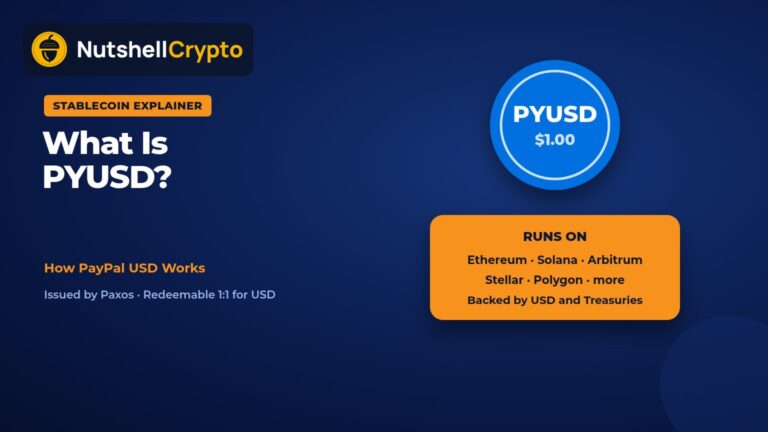
What is PYUSD? PayPal USD explained: Paxos issuer and OCC oversight, reserves and attestations, supported blockchains, PayPal and Venmo use, rewards and risks.

Kiln staking explained: how Kiln’s pooled and 32 ETH validator staking works, the 12% Ledger fee, Solana staking, unstaking, the 2025 incident and risks.

stakefish explained: how its non-custodial Ethereum and Solana staking works, fees, 32 ETH minimum, how to stake and unstake, risks and tax notes.
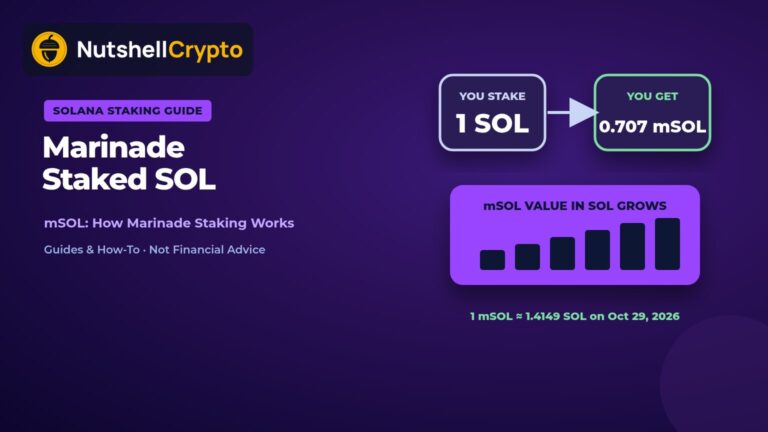
Marinade staked SOL (mSOL) explained: how the mSOL/SOL rate grows, instant vs delayed unstake, fees, mSOL vs JitoSOL vs native staking, and the risks.
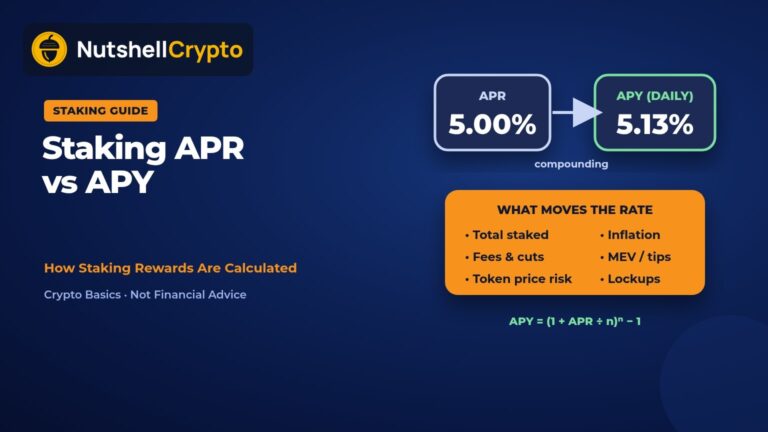
Staking APR explained: APR vs APY with simple compounding math, why staking rates change, real vs nominal yield, provider fees and the risks behind the rate.
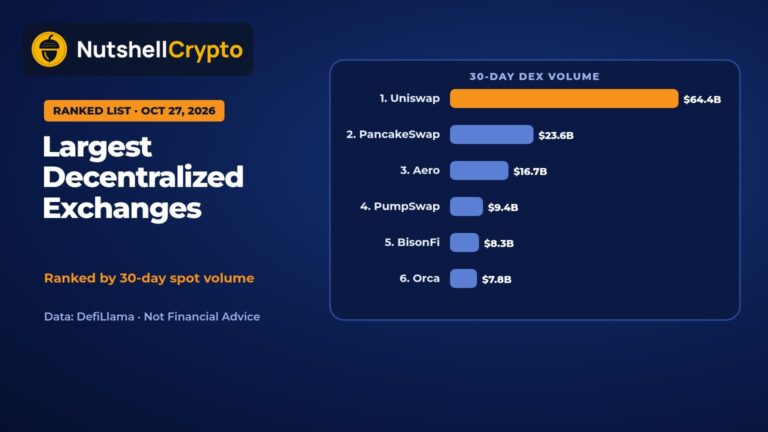
Ranked list of the largest decentralized exchanges by 30-day spot volume, from Uniswap to Meteora, with TVL, chains and what volume does not tell you.
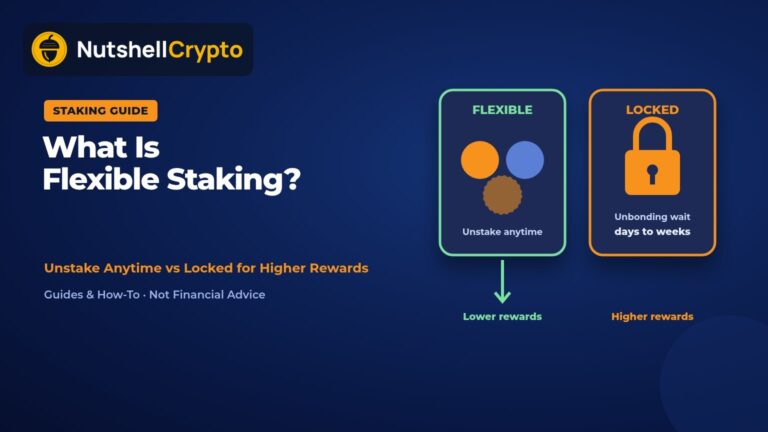
Flexible staking lets you earn rewards and unstake anytime, but usually pays less than locked staking. How it works, real platform terms and the risks.
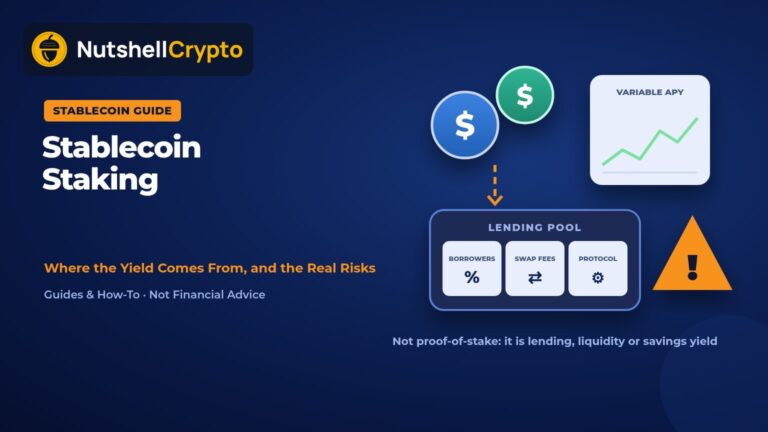
Stablecoin staking is really lending, liquidity or savings yield, not proof-of-stake. Where USDC and USDT yield comes from, the risks and US/Canada rules.
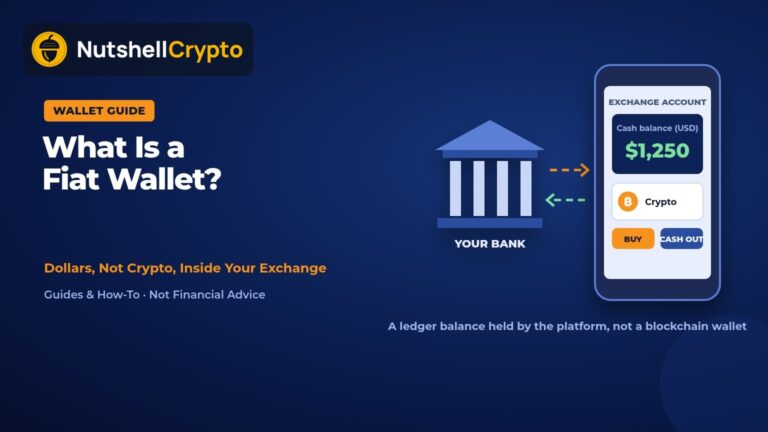
A fiat wallet holds dollars, not crypto, inside an exchange or app. How it works, how it differs from a stablecoin, and what FDIC insurance covers.